
Bridge Plugs & Cement Retainers
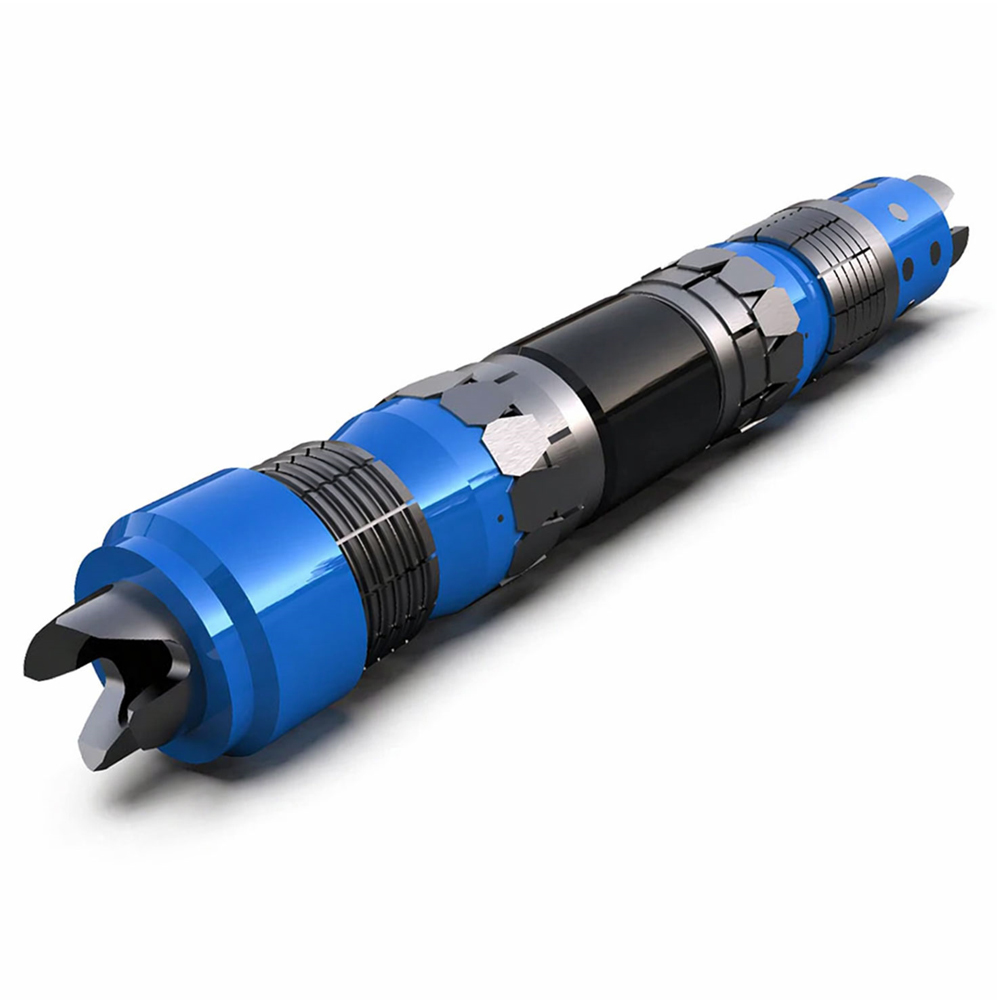
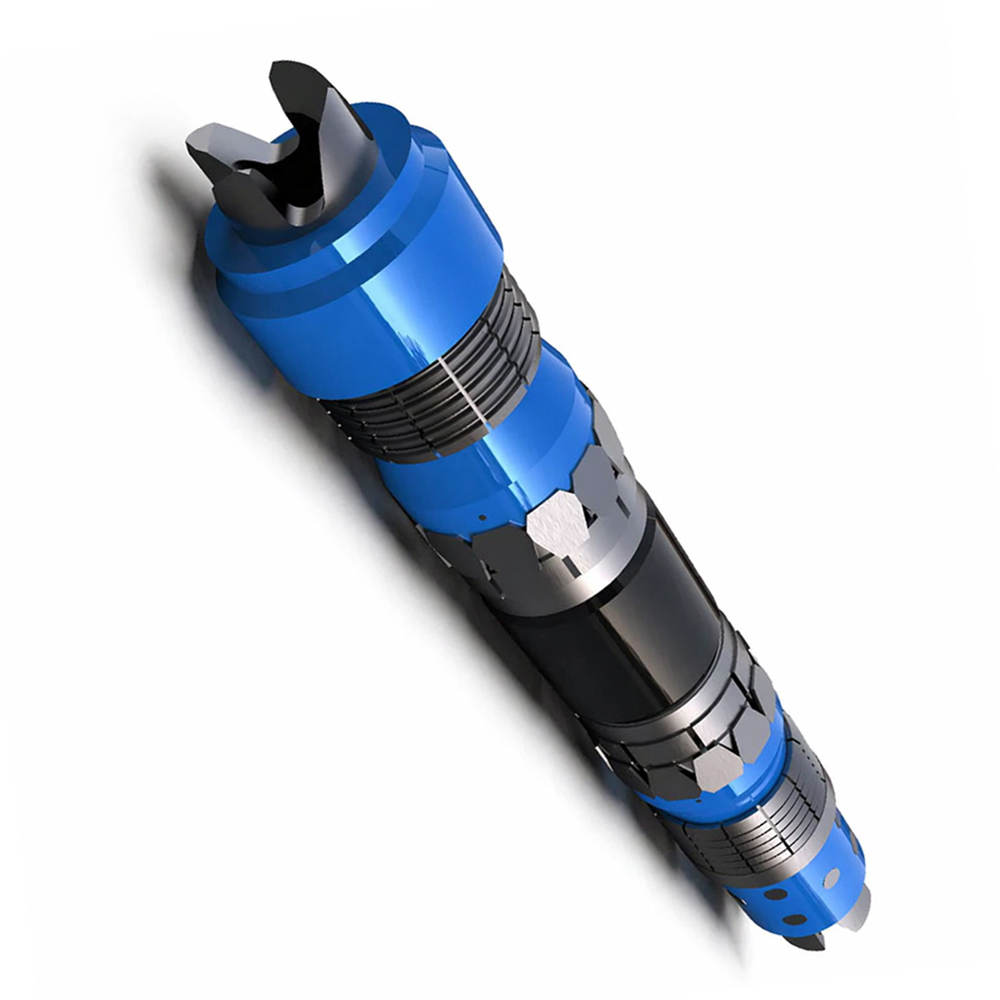
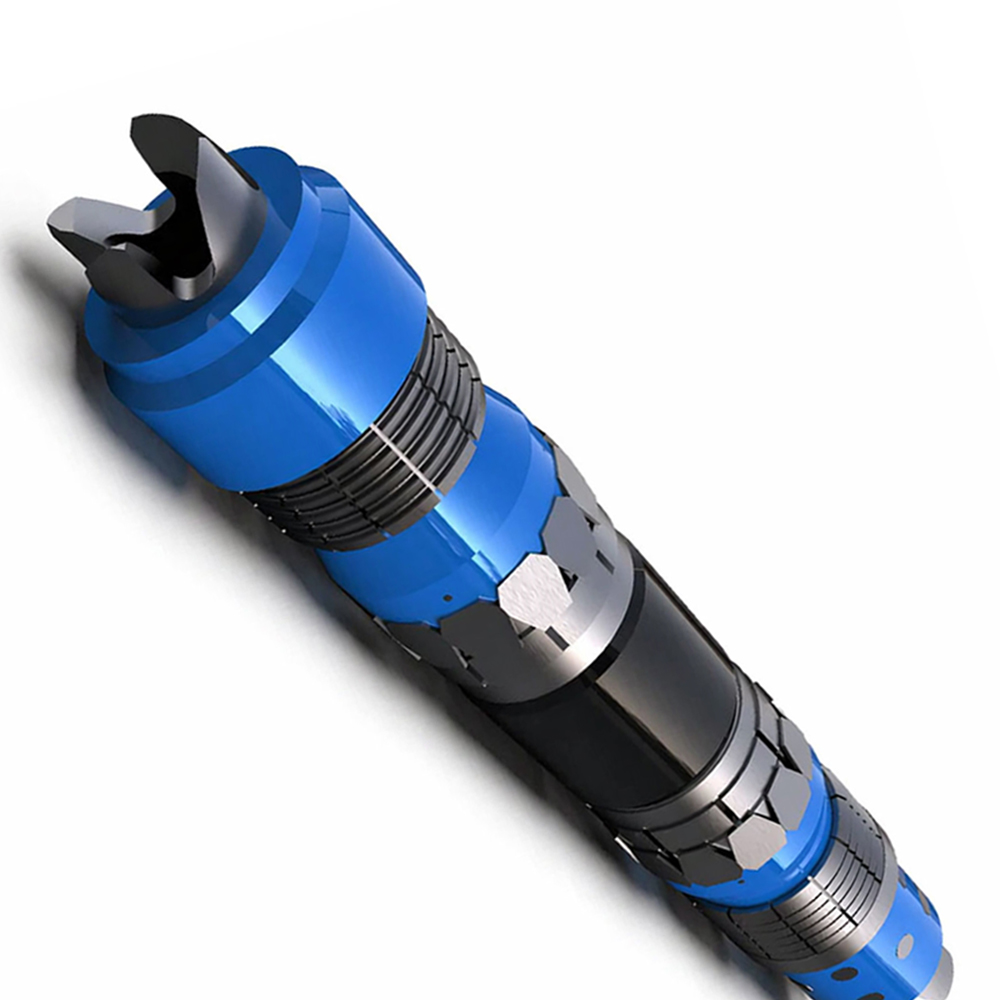
Composite Bridge Plug
We are a trusted Composite Bridge Plug exporter, delivering high-performance solutions for demanding oilfield operations worldwide. The CBP is manufactured using advanced composite metallurgy with an aluminum body, ensuring strength, durability, and efficient drill-out performance. It is designed with robust casting slips capable of holding pressures up to 15,000 PSI above and 10,000 PSI below.
This plug is used to isolate formations during fast drill tubing operations in both single and multi-zone plug-and-perf completions. It supports efficient drill-outs using conventional drilling methods, including coiled tubing milling.
The 15K Composite Bridge Plug is rated up to 350°F (176°C) and 15,000 PSI above and 10,000 PSI below, making it suitable for diverse well conditions. It can also be customized for temperatures ranging from 275°F to 450°F and above, depending on elastomer selection.
For inquiries, customization, or export requirements, contact us today to get reliable Composite Bridge Plug solutions tailored to your project needs.
Technical Specification
| Casing Size in (mm) | Casing Weight Range lb/ft | ID Setting Range in (mm) | Max OD in (mm) |
|---|---|---|---|
| 4-1/2 (114.30) | 5.10-18.80 (22.47-27.98) | 3.640-3.903 (92.456-99.1362) | 3.44 (87.38) |
| 5.0 (127.00) | 23.20 (34.5) | 4.04 (102.7) | 3.57 (90.7) |
| 20.30-21.40 (30.2-31.8) | 4.13-4.18 (104.8-106.3) | 3.75 (95.3) | |
| 11.50-18.00 (17.1-26.8) | 4.28-4.56 (108.6-115.8) | 3.92 (99.6) | |
| 5-1/2 (139.7) | 14.00 (20.8) | 5.01 (127.3) | 4.60 (116.8) |
| 15.50-23.00 (23.1-34.2) | 4.67-4.95 (118.6-125.7) | 4.30 (109.2) | |
| 23.00-28.40 (34.2-42.3) | 4.44-4.67 (112.8-118.6) | 4.13 (104.8) | |
| 6-5/8 (168.3) | 24.00-32.00 (35.7-47.6) | 5.68-5.92 (144.1-150.4) | 5.38 (136.5) |
| 7.0 (177.8) | 17.00-23.00 (25.3-34.2) | 6.37-6.54 (161.7-166.1) | 5.95 (151.1) |
| 23.00-35.00 (34.2-52.1) | 6.00-6.37 (152.5-161.7) | 5.75 (146.1) |
Frequently Asked Questions
What are the main applications of Composite Bridge Plugs?
Composite Bridge Plugs are widely used in plug and perf completions, zonal isolation, hydraulic fracturing, well abandonment, and fast drill tubing operations in both onshore and offshore environments.
What pressure and temperature ratings are available for CBP?
Do you export Composite Bridge Plugs internationally?
Can Composite Bridge Plugs be customized?
Which countries do you export to?
Are your Composite Bridge Plugs API certified?
Do you offer OEM or private labelling?
Yes, as a trusted supplier and exporter, we offer OEM manufacturing and private labelling services for distributors and companies seeking branded oilfield equipment solutions.