Sliding Sleeves
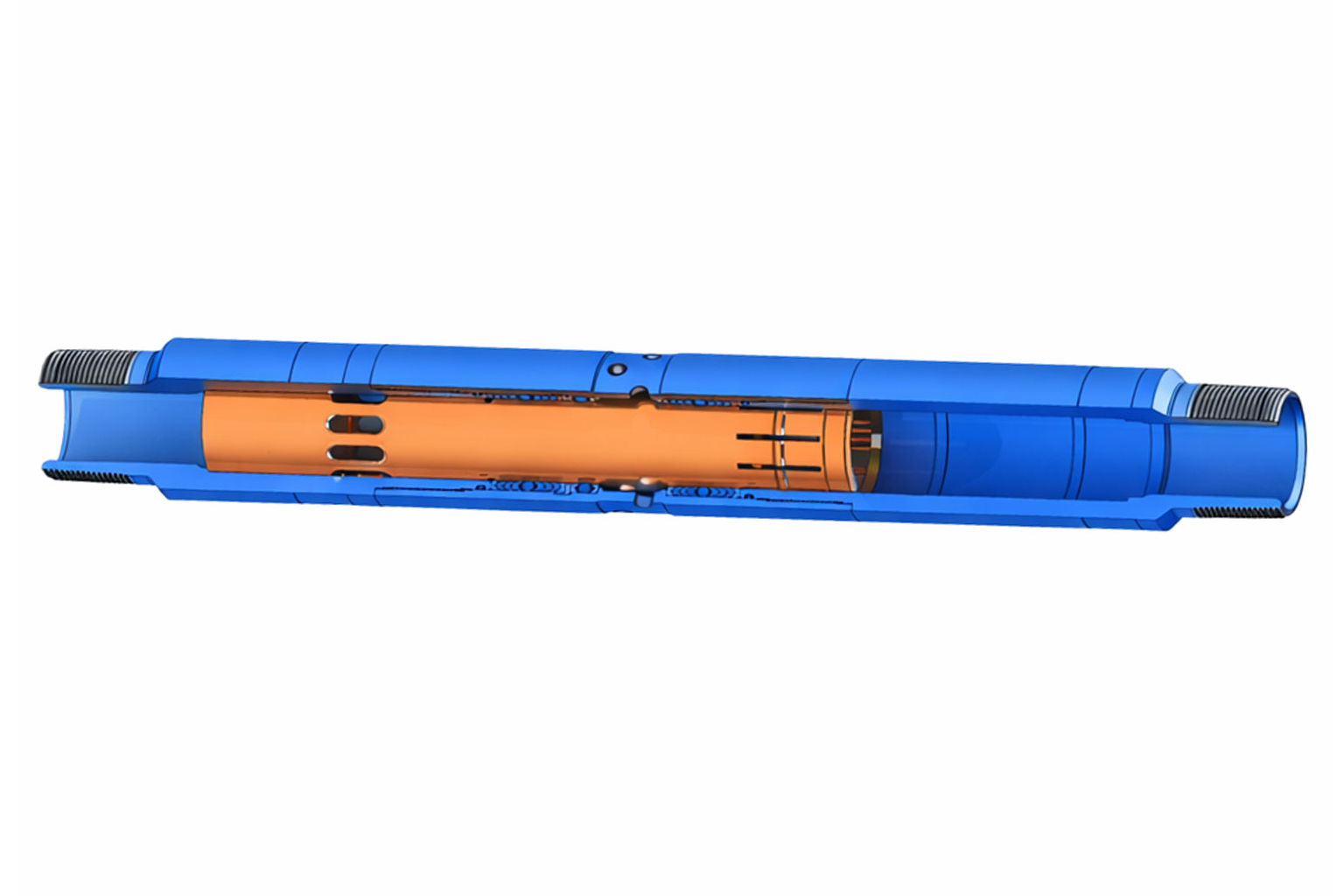
SA (No Profile) Sliding Sleeve
DIC Tools is a leading supplier and exporter of SA sliding sleeves, engineered for reliable performance in oil and gas well completion operations. The SA (no-profile) sliding sleeve is an essential component in oil and gas completions, designed for seamless integration in downhole environments. Its no-profile design reduces flow restriction while improving the overall durability of the completion assembly. Built to withstand harsh operating conditions, the sleeve delivers reliable performance under extreme pressures and temperatures.
The “SA” Sliding Sleeve is a cost-effective option featuring an internal sleeve but no seal bore or nipple profile. It enables efficient control of fluid communication between the tubing and the casing annulus, with the ability to open and close repeatedly.
The inner sleeve operates with a simple mechanism: upward movement opens the sleeve, while downward movement closes it. We offer bulk supply, competitive export pricing, and customized solutions in multiple sizes and specifications to meet diverse client requirements worldwide.
Contact Us today for more details and inquiries.
Technical Specification
| THREAD SIZE | ID BORE | SLEEVE OD |
|---|---|---|
| MM IN |
MM IN |
MM IN |
| 60.3 2-3/8 |
48.41 1.906 |
77.47 3.05 |
| 73.0 2-7/8 |
59.92 2.359 |
95.25 3.75 |
Frequently Asked Questions
Why is the no-profile design important in sliding sleeves?
The no-profile design is important because it minimizes flow restrictions, reduces pressure drop, and simplifies the tool structure, making it more economical and efficient.
How is the SA Sliding Sleeve operated in the well?
The SA Sliding Sleeve is operated mechanically where upward movement opens the sleeve and downward movement closes it, allowing easy and repeatable flow control.
What sizes are available for SA Sliding Sleeves?
SA Sliding Sleeves are available in a wide range of standard sizes to fit different tubing and casing requirements, and custom sizes can also be manufactured as per client specifications.
Do you export SA (No Profile) Sliding Sleeves to the USA?
Yes, we are a leading SA (No Profile) Sliding Sleeve exporter to the USA, supplying high-quality oilfield sliding sleeves for export that meet strict international standards and ensure reliable performance in oil and gas operations.
Can samples be provided before bulk orders?
We offer samples upon request to verify quality, specifications, and compatibility before placing large bulk orders for global projects.
Are your SA Sliding Sleeves compliant with US industry standards?
Sliding Sleeves are manufactured as per API standards and global export quality requirements, making us a trusted sliding sleeve exporter for USA oil and gas companies.
Can international buyers request custom specifications?
Yes, international buyers can request custom sizes, materials, and specifications tailored to specific well conditions and operational requirements worldwide project’s needs.
Do you provide technical support for product selection?
Yes, we provide complete technical support to help select the right SA Sliding Sleeve based on well conditions and operational requirements for optimal performance.
How does this tool reduce operational risks in oilfield applications?
DIC Oil Tools is a supplier of reliable SA Sliding Sleeves that control flow efficiently, reducing pressure-related risks and improving overall well safety.